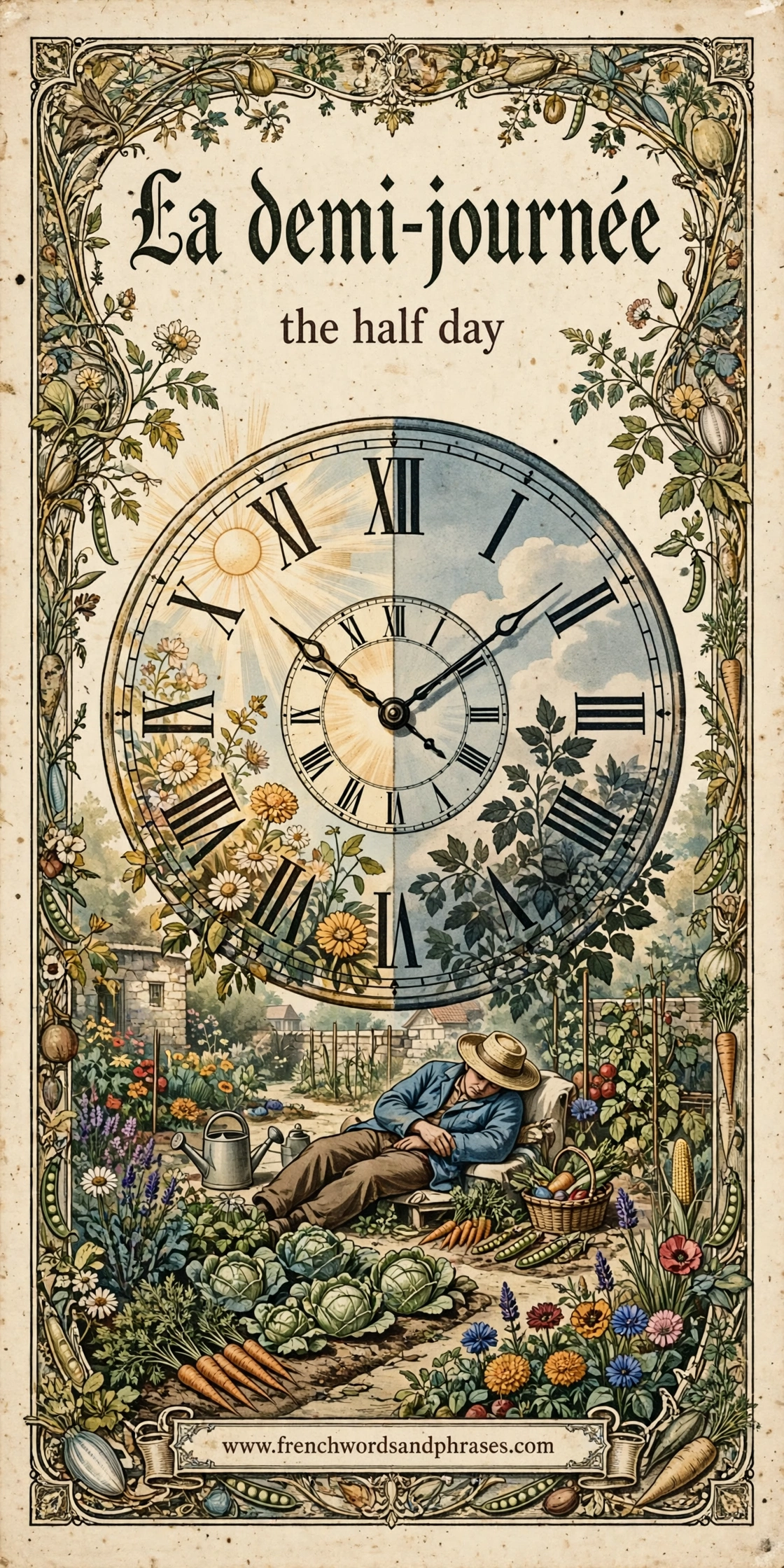
A French Word to Live By
Translate Demi-journée to English
/də.mi.ʒuʁ.ne/
La demi-journée means the half day.
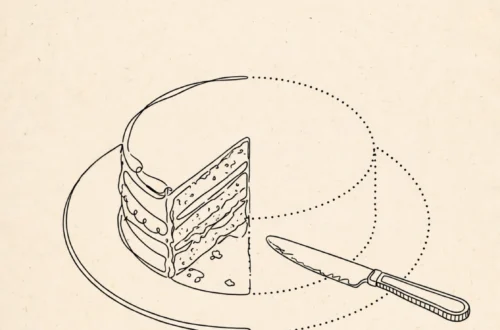
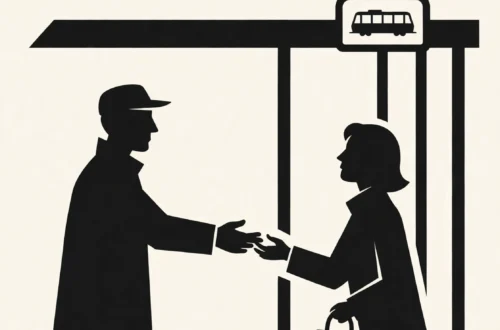
Friday, one o’clock: the office empties, the sun is out, and the whole afternoon stretches ahead like a gift. She has taken the rest of the day off — une demi-journée.
In this guide, you’ll learn what demi-journée means in English, how to use it with its articles, how to form its plural, and how it appears in everyday French. Explore French examples, English translations, and practice quizzes.
Understanding the French Noun Demi-journée
Demi-journée is a feminine French compound noun: demi (half) plus journée (day, the day as lived). It is learned with its article: la demi-journée, une demi-journée. The demi at the front never changes — it is journée that carries the plural.
It means half a day — a morning or an afternoon, especially as a unit of work or leave: prendre une demi-journée is to take half a day off. Schools, offices and administrations all count in demi-journées, and travailler à mi-temps (part-time) is its close cousin.
Gender: Feminine
Composition: demi (half) + journée (day) — demi is invariable before the noun
Definite article: la — la demi-journée (the half day)
Indefinite article: une — une demi-journée (half a day)
Plural: les demi-journées — only journée takes the plural
English equivalents: Half a day; the half day.
One important usage detail: demi placed before a noun is invariable and joined by a hyphen — une demi-journée, une demi-heure — but placed after the noun it agrees: une journée et demie, a day and a half. Position is everything.
Experience the Word
Demi-journée is more than a unit of leave. It is the day cut kindly in two — work in the morning, life in the afternoon, or the other way round.
Imagine the half-day in Paris: the desk cleared by one, a long lunch, a museum almost empty, the city suddenly yours while everyone else is still at work.
You have not just taken time off. You have stolen half a day back — une demi-journée à soi.
How to Use Demi-journée in French: Complete Guide
Let’s explore how demi-journée works in French, beginning with its articles — and watch demi stay perfectly still while journée does all the changing.
Demi-journée with the Definite Article (La, Les)
Used for the half day everyone in the conversation knows — the one already booked in the diary.
| Form | French |
|---|---|
| Feminine singular | la demi-journée |
| Plural | les demi-journées |
Example
La demi-journée de vendredi est déjà réservée.
Friday’s half day is already booked.
Demi-journée with the Indefinite Article (Une, Des)
Used for half a day in general — une demi-journée is the classic request to the boss.
| Form | French |
|---|---|
| Feminine singular | une demi-journée |
| Plural | des demi-journées |
Example
Je prends une demi-journée pour aller chez le dentiste.
I’m taking half a day off to go to the dentist.
At Work: Words of the Demi-journée
Leave, mornings and afternoons — the vocabulary that surrounds the demi-journée.
| French | In English |
|---|---|
| le congé | the leave, the time off |
| le matin | the morning |
| l’après-midi | the afternoon |
| le bureau | the office |
| poser un congé | to book leave |
| récupérer | to take time back, to make up hours |
Example
Elle pose une demi-journée de congé pour vendredi.
She is booking half a day’s leave for Friday.
Quick Quiz 1
Complete the sentence:
Il travaille seulement ______ le mercredi.
Reveal the answer
une demi-journée
Il travaille seulement une demi-journée le mercredi.
He works only half a day on Wednesdays.
The Plural of Demi-journée
Demi never changes; journée alone takes the -s: des demi-journées.
| Number | French |
|---|---|
| Singular | la demi-journée / une demi-journée |
| Plural | les demi-journées / des demi-journées |
Example
Elle a accumulé trois demi-journées de congé.
She has built up three half days of leave.
Demi-journée with Possessive Adjectives (Ma, Ta, Sa…)
Possessives agree with the noun: demi-journée is feminine, so it takes ma, ta, sa.
| Owner | French |
|---|---|
| my | ma demi-journée |
| your (tu) | ta demi-journée |
| his / her | sa demi-journée |
| our | notre demi-journée |
| your (vous) | votre demi-journée |
| their | leur demi-journée |
Example
Ma demi-journée de repos est le mercredi après-midi.
My half day off is Wednesday afternoon.
Quick Quiz 2
Complete the sentence:
______ demi-journée commence à treize heures. (Their)
Reveal the answer
Leur
Leur demi-journée commence à treize heures.
Their half day begins at one o’clock.
Demi-journée with Demonstrative Adjectives (Cette, Ces)
Used to point in the diary: cette demi-journée, that free morning there.
| Form | French |
|---|---|
| Feminine singular | cette demi-journée |
| Plural | ces demi-journées |
Example
Cette demi-journée libre tombe le jour de la fête.
This free half day falls on the day of the festival.
Demi-journée with Adjectives
Adjectives agree with journée, the living half of the compound: une demi-journée entière would be a fine paradox — here are the honest ones.
| Adjective | With Demi-journée |
|---|---|
| libre (free) | une demi-journée libre |
| chargée (busy) | une demi-journée chargée |
| calme (quiet) | une demi-journée calme |
| supplémentaire (extra) | une demi-journée supplémentaire |
| complète (complete) | une demi-journée complète de formation |
Example
C’est une demi-journée chargée, avec trois réunions.
It is a busy half day, with three meetings.
Quick Quiz 3
Complete the sentence:
______ demi-journées sont pour les rendez-vous. (These)
Reveal the answer
Ces
Ces demi-journées sont pour les rendez-vous.
These half days are for appointments.
Everyday Expressions with Demi-journée
Diaries and days off — the demi-journée phrases of working life.
| Expression | In English |
|---|---|
| prendre une demi-journée | to take half a day off |
| poser une demi-journée | to book half a day’s leave |
| une demi-journée de congé | half a day’s leave |
| travailler une demi-journée | to work half a day |
| la demi-journée du matin | the morning half, the morning session |
Example
Il pose une demi-journée pour le mariage de sa sœur.
He is booking half a day off for his sister’s wedding.
Words from the Same Family as Demi-journée
Halves and days — the words that travel with demi-journée.
| French | In English |
|---|---|
| demi | half |
| la journée | the day (as lived) |
| le jour | the day (on the calendar) |
| une demi-heure | half an hour |
| la moitié | the half (a portion) |
| midi | midday, noon |
Example
Une demi-journée, c’est la moitié d’une journée de travail.
A half day is half of a working day.
Quick Quiz 4
How do you say a day and a half?
Reveal the answer
Une journée et demie — after the noun, demi agrees and becomes demie.
Le voyage dure une journée et demie.
The journey lasts a day and a half.
Demi-journée in Everyday French: Real-Life Examples
Now that you know the word, let’s see how demi-journée appears in everyday French.
Example 1 — Asking the boss
Je voudrais poser une demi-journée vendredi.
I would like to book half a day off on Friday.
Example 2 — At school
Les enfants ont une demi-journée le mercredi.
The children have a half day on Wednesdays.
Example 3 — Planning
Cette demi-journée est réservée aux courses.
This half day is set aside for shopping.
Example 4 — Part-time work
Elle travaille trois demi-journées par semaine.
She works three half days a week.
Example 5 — A free afternoon
Sa demi-journée libre commence à midi.
Her free half day starts at noon.
Example 6 — Counting leave
Il me reste deux demi-journées de congé.
I have two half days of leave left.
Beyond Translation: The Meaning of Demi-journée
Demi-journée belongs to the gentle arithmetic of French working life, where leave is counted in halves as naturally as in weeks. Its little prefix carries a whole grammar lesson: demi before the noun is frozen solid, hyphen and all, while after the noun it softens and agrees — une journée et demie. Journée itself is the day as it is lived, from lever to coucher, against jour, the day on the calendar.
To say demi-journée is to cut the day in two and keep the better half.
It evokes the Friday escape and the Wednesday school run, the diary’s small white spaces — time, measured out in human portions.
How to Remember the French Noun Demi-journée
Remember it this way: Demi-journée is half a day — demi, half, welded to journée, the day as lived, and demi never changes.
- You picture the cut — une journée coupée en deux.
- You book the leave — poser une demi-journée de congé.
- You freeze the prefix — des demi-journées, demi ne bouge jamais.
The key idea is demi + journée — half of the lived day.
Test Your Knowledge of Demi-journée
Let’s see how much you’ve learned. Try answering these questions before revealing the answers.
Question 1
How do you say half a day off in French?
Reveal the answer
Une demi-journée (de congé) — demi before the noun, invariable, with a hyphen.
Question 2
How do you say three half days?
Reveal the answer
Trois demi-journées — only journée takes the plural; demi never changes.
Question 3
Translate: She works half a day on Wednesdays.
Reveal the answer
Elle travaille une demi-journée le mercredi.
Question 4
How do you say a day and a half?
Reveal the answer
Une journée et demie — after the noun, demi agrees and becomes demie.
Question 5
Complete the sentence:
______ demi-journée de repos est demain. (My)
Reveal the answer
Ma
Ma demi-journée de repos est demain.
My half day off is tomorrow.
Your Final Challenge
Can You Use It?
How would you say this in French?
“She takes half a day off on Friday.”
Reveal the answer
Elle prend une demi-journée vendredi.
She takes half a day off on Friday.
A little French. A little curiosity. A richer everyday life.
LEARN FRENCH ONE WORD AT A TIME