A French Word to Live By
How to Conjugate Câliner in French
/ka.li.ne/
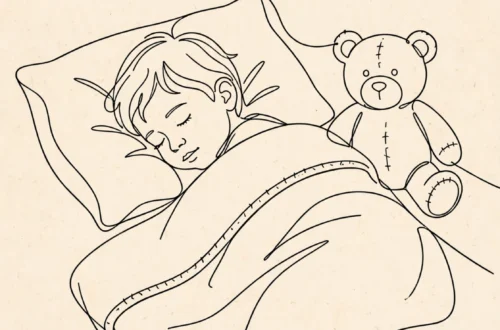
Câliner means to cuddle — to hold someone close with tenderness, the way you cuddle a baby, a child, or a cat that has chosen your lap.
A mother rocking her baby to sleep, a grandfather with a small granddaughter on his knee, a cat installed for the evening — câliner is the verb of tender arms: affection you can hold.
In this guide, you’ll learn how to conjugate câliner in all the major French tenses and moods. Explore complete conjugation tables, French examples, English translations, and practice quizzes.
Understanding the French Verb Câliner
Câliner is a regular French verb belonging to the first group of verbs, those ending in-er.
It means to cuddle. It is used of tender physical affection — holding, hugging, snuggling a child, a partner or an animal. The noun un câlin is even commoner than the verb: faire un câlin à quelqu’un is the everyday way to say to give someone a cuddle.
Verb classification: First group (-er)
Auxiliary verb: Avoir
Past participle: câliné
Present participle: câlinant
English equivalents: To cuddle, to hug tenderly; câliner un bébé — to cuddle a baby; câliner son enfant — to cuddle one’s child; un câlin — a cuddle, a hug; faire un câlin — to give a cuddle.
One important detail: câliner keeps its circumflex on the â in every form — je câline, nous câlinons, ils câlinent, past participle câliné — and the same â sits in the noun un câlin, a cuddle, one of the first words French children learn. The verb is a perfectly regular -er. Its home is the family: babies, children, partners and pets are câlinés; the word always carries warmth, never mere formality.
Experience the Word
Câliner is the verb of arms that mean it — affection with no agenda, just closeness.
Imagine a grandmother on a winter evening, the fire crackling, a small granddaughter heavy-eyed against her shoulder. Elle câline l’enfant en fredonnant, rocking almost without moving, and the child’s breathing slows, slows — and sleeps. Nothing is being taught or fixed; this is love in its simplest grammar.
No words were needed. The child was câlinée — held, warm, and safe — and that was the whole sentence.
How to Conjugate Câliner: Complete French Conjugation Guide
Let’s explore every major conjugation of câliner, beginning with the indicative mood.
How to Conjugate Câliner in the Indicative Mood
The indicative mood is used to express facts, observations, actions, and events.
How to Conjugate Câliner in the Present Tense (Présent)
Used for actions happening now, habitual actions, and general truths.
| Subject | Conjugation |
|---|---|
| je | câline |
| tu | câlines |
| il / elle | câline |
| nous | câlinons |
| vous | câlinez |
| ils / elles | câlinent |
Example
Elle câline son bébé en chantant doucement.
She cuddles her baby while singing softly.
Quick Quiz 1
Complete the sentence:
Nous ______ les enfants avant l’histoire du soir.
Reveal the answer
câlinons
Nous câlinons les enfants avant l’histoire du soir.
We cuddle the children before the bedtime story.
How to Conjugate Câliner in the Passé Composé
Used for completed actions in the past. Câliner takes the auxiliary verb avoir.
| Subject | Conjugation |
|---|---|
| j’ | ai câliné |
| tu | as câliné |
| il / elle | a câliné |
| nous | avons câliné |
| vous | avez câliné |
| ils / elles | ont câliné |
Example
Il a câliné sa fille avant son premier jour d’école.
He cuddled his daughter before her first day of school.
How to Conjugate Câliner in the Imparfait (Imperfect Tense)
Used for habitual past actions, descriptions, and ongoing situations in the past.
| Subject | Conjugation |
|---|---|
| je | câlinais |
| tu | câlinais |
| il / elle | câlinait |
| nous | câlinions |
| vous | câliniez |
| ils / elles | câlinaient |
Example
Chaque soir, ma mère nous câlinait avant de nous coucher.
Every evening, my mother used to cuddle us before putting us to bed.
Quick Quiz 2
Choose the correct form:
He cuddled his daughter before school.
Il ______ sa fille avant l’école. (a câliné / est câliné)
Reveal the answer
a câliné
Il a câliné sa fille avant l’école.
Câliner takes avoir.
How to Conjugate Câliner in the Plus-que-parfait
Used to describe an action that had already been completed before another past event.
| Subject | Conjugation |
|---|---|
| j’ | avais câliné |
| tu | avais câliné |
| il / elle | avait câliné |
| nous | avions câliné |
| vous | aviez câliné |
| ils / elles | avaient câliné |
Example
Elle avait câliné le chat pendant tout l’orage.
She had cuddled the cat throughout the storm.
How to Conjugate Câliner in the Passé Simple
Primarily used in formal writing, literature, and historical narratives. It is rarely used in everyday conversation.
| Subject | Conjugation |
|---|---|
| je | câlinai |
| tu | câlinas |
| il / elle | câlina |
| nous | câlinâmes |
| vous | câlinâtes |
| ils / elles | câlinèrent |
Example
La nourrice câlina l’enfant jusqu’à ce qu’il s’endormît.
The nanny cuddled the child until he fell asleep.
How to Conjugate Câliner in the Passé Antérieur
A literary tense used to express an action completed immediately before another past action, generally in the passé simple.
| Subject | Conjugation |
|---|---|
| j’ | eus câliné |
| tu | eus câliné |
| il / elle | eut câliné |
| nous | eûmes câliné |
| vous | eûtes câliné |
| ils / elles | eurent câliné |
Example
Quand elle eut câliné le bébé, elle le posa dans son berceau.
When she had cuddled the baby, she laid him in his cradle.
How to Conjugate Câliner in the Future Tense (Futur Simple)
Used to describe actions that will take place in the future.
| Subject | Conjugation |
|---|---|
| je | câlinerai |
| tu | câlineras |
| il / elle | câlinera |
| nous | câlinerons |
| vous | câlinerez |
| ils / elles | câlineront |
Example
Ce soir, je câlinerai les enfants un peu plus longtemps.
This evening, I will cuddle the children a little longer.
How to Conjugate Câliner in the Futur Antérieur (Future Perfect)
Used for an action that will have been completed before a particular point in the future.
| Subject | Conjugation |
|---|---|
| j’ | aurai câliné |
| tu | auras câliné |
| il / elle | aura câliné |
| nous | aurons câliné |
| vous | aurez câliné |
| ils / elles | auront câliné |
Example
À neuf heures, elle aura câliné le bébé et fermé la porte doucement.
By nine o’clock, she will have cuddled the baby and closed the door softly.
How to Conjugate Câliner in the Near Future (Futur Proche)
Used to describe something that is going to happen soon. Formed with aller + infinitive.
| Subject | Conjugation |
|---|---|
| je | vais câliner |
| tu | vas câliner |
| il / elle | va câliner |
| nous | allons câliner |
| vous | allez câliner |
| ils / elles | vont câliner |
Example
Viens, je vais te câliner un moment.
Come here, I am going to cuddle you for a moment.
How to Conjugate Câliner in the Conditional Mood
The conditional mood expresses what would happen under certain circumstances. It is also frequently used to make polite requests or express wishes.
How to Conjugate Câliner in the Present Conditional
| Subject | Conjugation |
|---|---|
| je | câlinerais |
| tu | câlinerais |
| il / elle | câlinerait |
| nous | câlinerions |
| vous | câlineriez |
| ils / elles | câlineraient |
Example
Avec plus de temps, elle câlinerait son fils tous les matins.
With more time, she would cuddle her son every morning.
How to Conjugate Câliner in the Past Conditional
| Subject | Conjugation |
|---|---|
| j’ | aurais câliné |
| tu | aurais câliné |
| il / elle | aurait câliné |
| nous | aurions câliné |
| vous | auriez câliné |
| ils / elles | auraient câliné |
Example
Il aurait câliné sa fille si elle n’avait pas déjà dormi.
He would have cuddled his daughter if she had not already been asleep.
Câliner in the Literary Past Conditional Form
This less common literary form uses the imperfect subjunctive of avoir.
| Subject | Conjugation |
|---|---|
| j’ | eusse câliné |
| tu | eusses câliné |
| il / elle | eût câliné |
| nous | eussions câliné |
| vous | eussiez câliné |
| ils / elles | eussent câliné |
Example
La grand-mère eût câliné l’enfant jusqu’au matin.
The grandmother would have cuddled the child until morning.
How to Conjugate Câliner in the Subjunctive Mood
The subjunctive is used to express wishes, emotions, doubts, necessity, and uncertainty. It frequently follows expressions such as il faut que (it is necessary that) or bien que (although).
How to Conjugate Câliner in the Present Subjunctive
| Subject | Conjugation |
|---|---|
| que je | câline |
| que tu | câlines |
| qu’il / qu’elle | câline |
| que nous | câlinions |
| que vous | câliniez |
| qu’ils / qu’elles | câlinent |
Example
Il est bon que tu câlines ton enfant chaque jour.
It is good that you cuddle your child every day.
Quick Quiz 3
Complete the sentence using the subjunctive:
Il est bon que vous ______ le petit chaque jour.
Reveal the answer
câliniez
Il est bon que vous câliniez le petit chaque jour.
It is good that you cuddle the little one every day.
How to Conjugate Câliner in the Imperfect Subjunctive
A literary tense, rarely encountered in modern spoken French.
| Subject | Conjugation |
|---|---|
| que je | câlinasse |
| que tu | câlinasses |
| qu’il / qu’elle | câlinât |
| que nous | câlinassions |
| que vous | câlinassiez |
| qu’ils / qu’elles | câlinassent |
Example
Je souhaitais qu’elle câlinât le petit avant de partir.
I wished she would cuddle the little one before leaving.
How to Conjugate Câliner in the Pluperfect Subjunctive
A literary construction used to express an action completed before another past action.
| Subject | Conjugation |
|---|---|
| que j’ | eusse câliné |
| tu | eusses câliné |
| qu’il / qu’elle | eût câliné |
| que nous | eussions câliné |
| que vous | eussiez câliné |
| qu’ils / qu’elles | eussent câliné |
Example
On racontait qu’elle eût câliné l’enfant trouvé comme le sien.
People said she had cuddled the found child as if he were her own.
How to Conjugate Câliner in the Past Subjunctive
| Subject | Conjugation |
|---|---|
| que j’ | aie câliné |
| que tu | aies câliné |
| qu’il / qu’elle | ait câliné |
| que nous | ayons câliné |
| que vous | ayez câliné |
| qu’ils / qu’elles | aient câliné |
Example
Je suis heureux que tu aies câliné le chat pendant l’orage.
I am glad you cuddled the cat during the storm.
How to Conjugate Câliner in the Imperative
The imperative is used to give commands, instructions, invitations, or suggestions. Subject pronouns are omitted.
How to Conjugate Câliner in the Present Imperative
| Person | Conjugation |
|---|---|
| (tu) | câline |
| (nous) | câlinons |
| (vous) | câlinez |
Example
Câline ton petit frère, il est triste ce soir !
Cuddle your little brother, he is sad this evening!
Quick Quiz 4
How would you say Cuddle your little brother (tu form)?
Reveal the answer
Câline ton petit frère !
French Participles of Câliner
Participles are verb forms that can be used in compound tenses and other grammatical constructions.
Present Participle of Câliner
câlinant
En câlinant son bébé, elle oubliait toute sa fatigue.
While cuddling her baby, she forgot all her tiredness.
Past Participle of Câliner
câliné
Câliné par sa grand-mère, l’enfant s’endormit en souriant.
Cuddled by his grandmother, the child fell asleep smiling.
Câliner in Everyday French: Real-Life Examples
Now that you know the conjugations, let’s see how câliner appears in everyday French.
Example 1 — Present
Elle câline son bébé en chantant.
She cuddles her baby while singing.
Example 2 — Passé composé
Il a câliné sa fille avant l’école.
He cuddled his daughter before school.
Example 3 — Imparfait
Ma mère nous câlinait chaque soir.
My mother used to cuddle us every evening.
Example 4 — Future
Je câlinerai les enfants ce soir.
I will cuddle the children this evening.
Example 5 — Conditional
Elle câlinerait son fils tous les matins.
She would cuddle her son every morning.
Example 6 — Imperative
Câline ton petit frère !
Cuddle your little brother!
Beyond Translation: The Meaning of Câliner
English cuddle is the plain twin, but French câliner gives the act a noun every child knows — un câlin — and a whole philosophy: le câlin is a basic need, not a reward.
It is the tenderest everyday verb in the family.
Embrasser is a kiss, serrer is a squeeze, but câliner is the long, quiet hold — the one that says, without a single word, that everything is all right.
How to Remember the French Verb Câliner
Remember it this way: Câliner is about the grandmother by the fire, rocking the child to sleep.
- Un câlin is a cuddle — câliner is to give one: câliner un bébé, câliner son enfant.
- The â never leaves: je câline, nous câlinons, câliné — circumflex in every form.
- Regular -er: je câline, nous câlinons, past participle câliné; home territory is babies, children and cats.
The key idea is the grandmother by the fire, rocking the child to sleep.
Test Your Knowledge of Câliner
Let’s see how much you’ve learned. Try answering these questions before revealing the answers.
Question 1
What is the French noun for a cuddle, from the same family?
Reveal the answer
Un câlin — faire un câlin à quelqu’un, to give someone a cuddle.
Question 2
How do you say She cuddles her baby while singing softly in French?
Reveal the answer
Elle câline son bébé en chantant doucement.
Question 3
Translate: It is good that you cuddle your child every day.
Reveal the answer
Il est bon que tu câlines ton enfant chaque jour.
Question 4
What is the past participle of câliner?
Reveal the answer
Câliné — with the circumflex, like the infinitive.
Question 5
Complete the sentence:
Chaque soir, ma mère nous ______ avant de nous coucher.
Reveal the answer
câlinait
Chaque soir, ma mère nous câlinait avant de nous coucher.
Every evening, my mother used to cuddle us before putting us to bed.
Your Final Challenge
Can You Use It?
How would you say this in French?
She cuddles her baby one last time, then tiptoes out and switches off the lamp.
Reveal the answer
Elle câline son bébé une dernière fois, puis elle éteint la lampe sur la pointe des pieds.
She cuddles her baby one last time, then tiptoes out and switches off the lamp.
A little French. A little curiosity. A richer everyday life.
LEARN FRENCH ONE WORD AT A TIME